Anniversary Blog 23 - 4 Days in Seoul, South Korea
You’ve finished your Japanese adventure, you have 4 days until your guided tour through China begins, what do you do? You head to South Korea! But what do you do with 4 days in a country you don’t know much about? Turns out, a lot. We visited the DMZ, explored night markets, and journeyed into the past with some UNESCO World Heritage Sites.

Our adventure began with a short hop across the Sea of Japan to Seoul. The bus ride from the airport into the city center took longer than the flight but when we arrived at the Courtyard Seoul Namdaemun, in the Jung District, we knew we made the right choice. The area was very lively, and a lot of things were walkable.
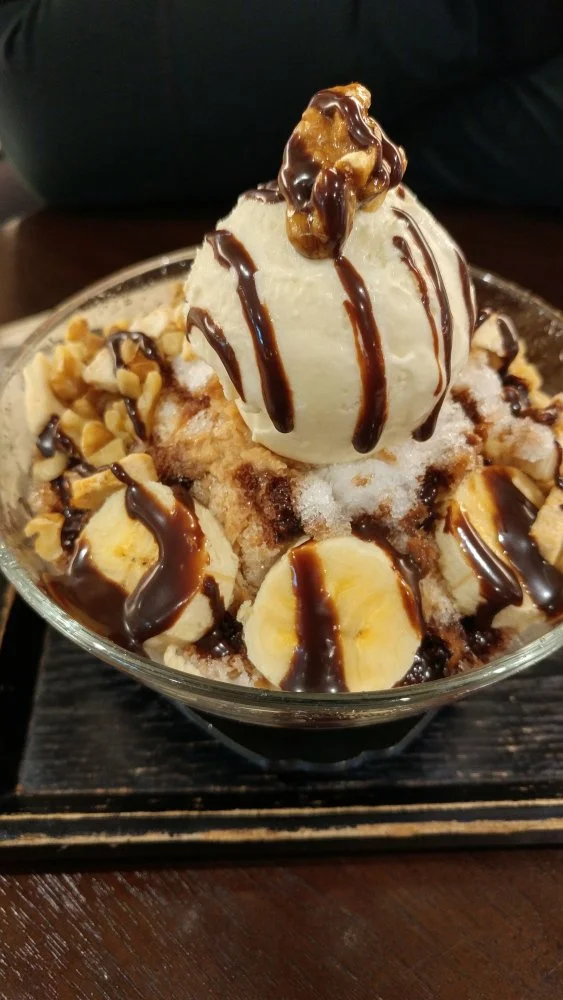
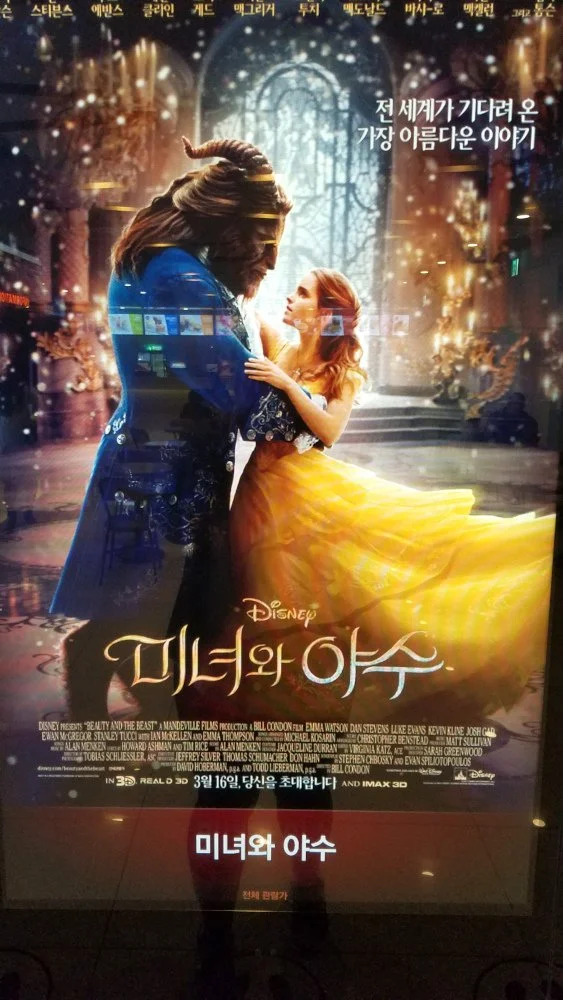
We got in late afternoon, so we did a little walking around and ended up checking out a massive food hall in the basement of the LOTTE Department Store Main Store. There were so many food stalls here that it was kind of hard to make a decision. We ended up just grabbing a bunch of odds and ends, but if I ever got the chance to go again, I’d definitely devise a plan of attack. Strategy is key when you want to try it all. Then we went and did one of our favorite things to do in foreign countries… hit the movies. We checked out the live action Beauty and the Beast… in english, but with korean subtitles.
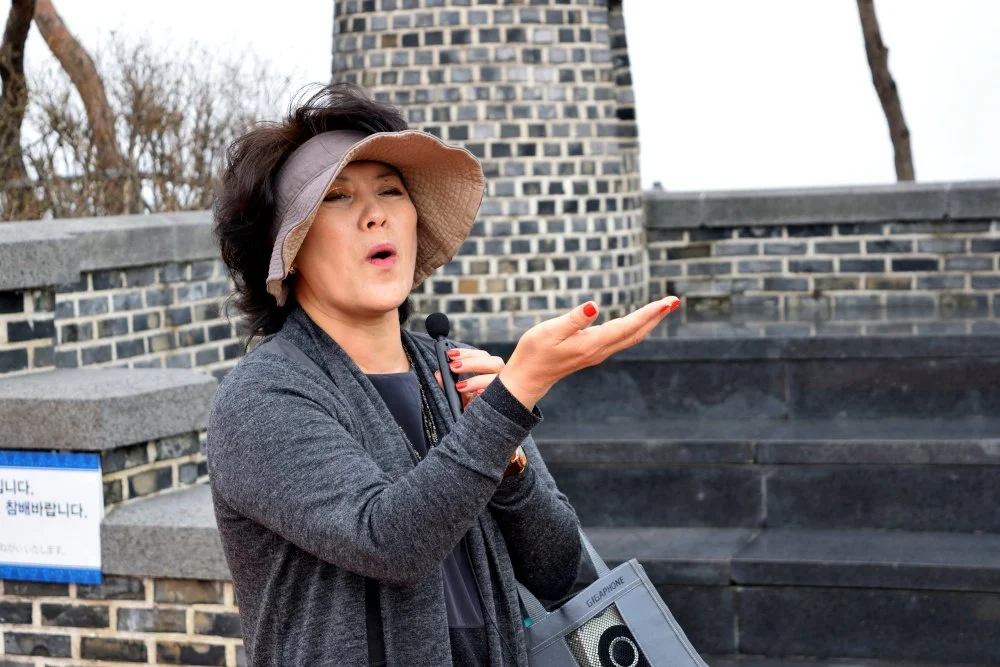
The next day we had booked a tour of the South Korean side of the demilitarized zone that’s been in place between North and South since the Korean War. We woke up early and jumped on our tour bus to Dorasan northwest of the city. The guide gave us a loose history of the war, the Joint Security Area and more. We got to hear from a “real” defector, although her story was a little feeble, and she may have been a plant for us tourists.
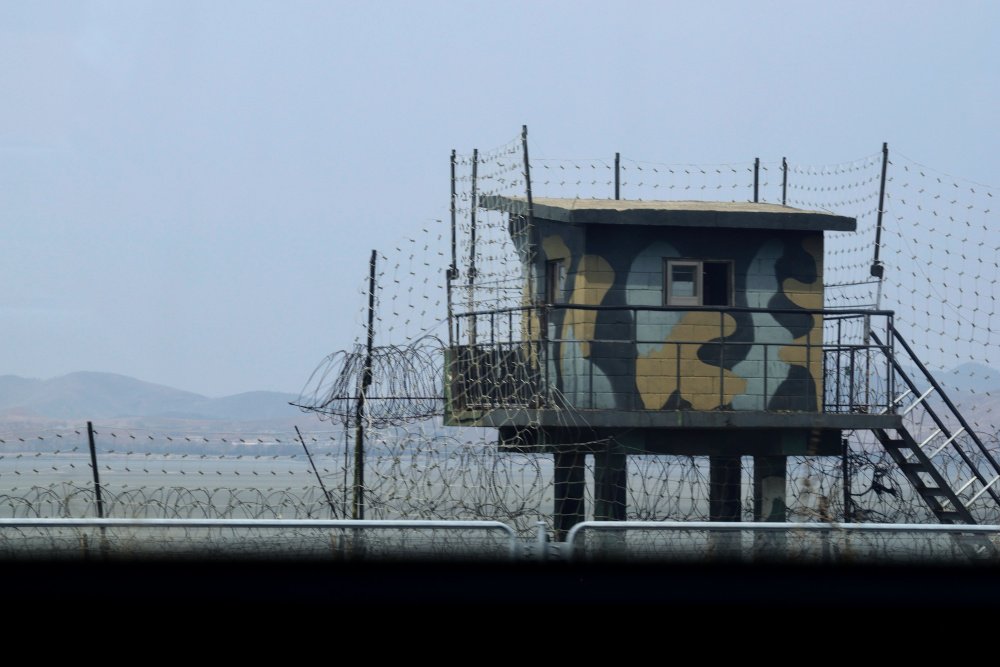
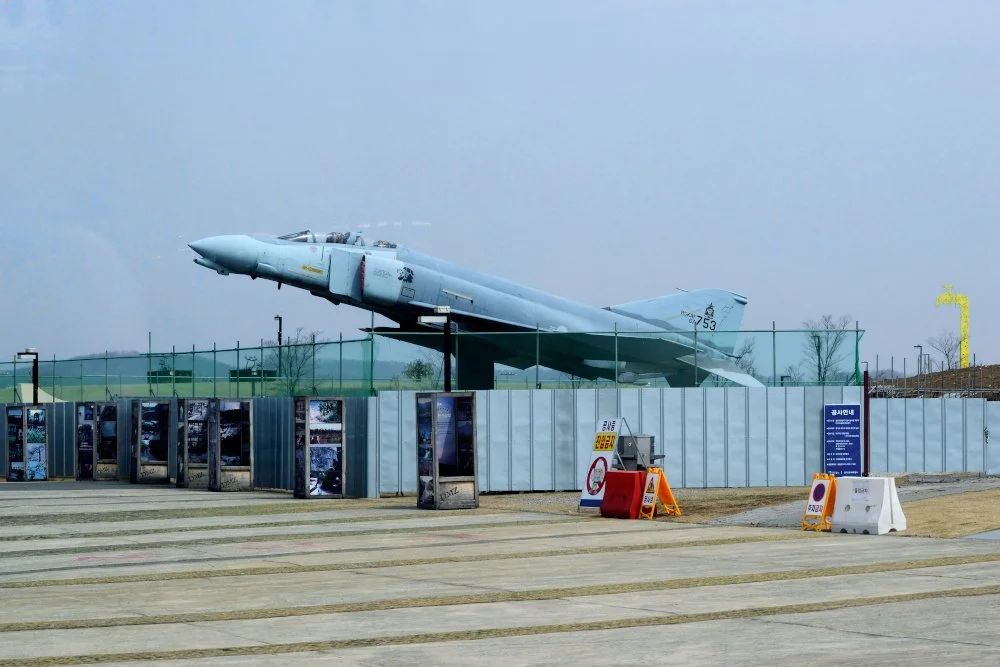
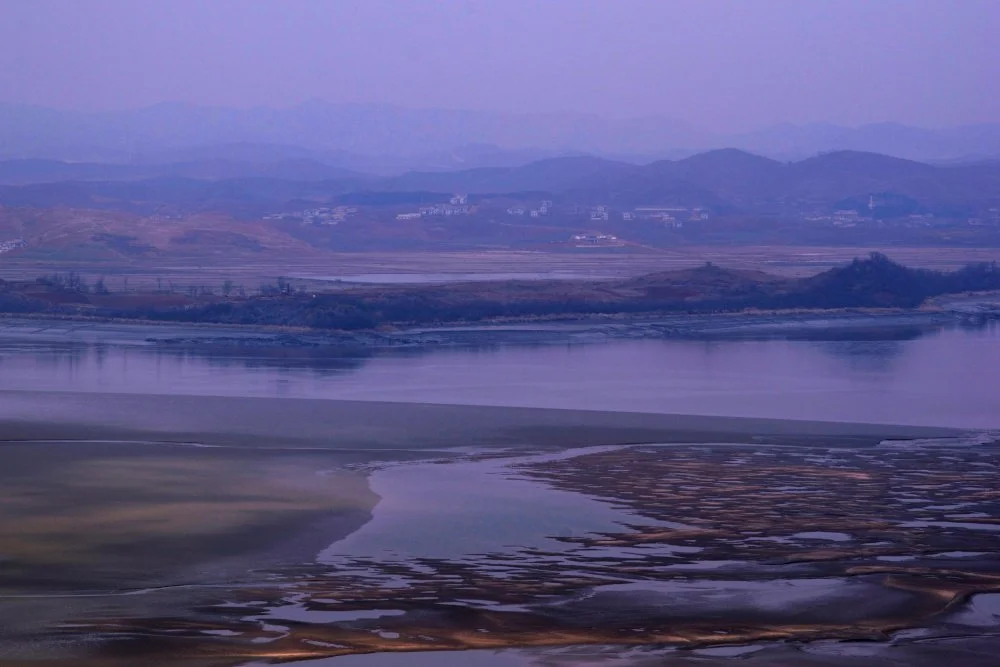
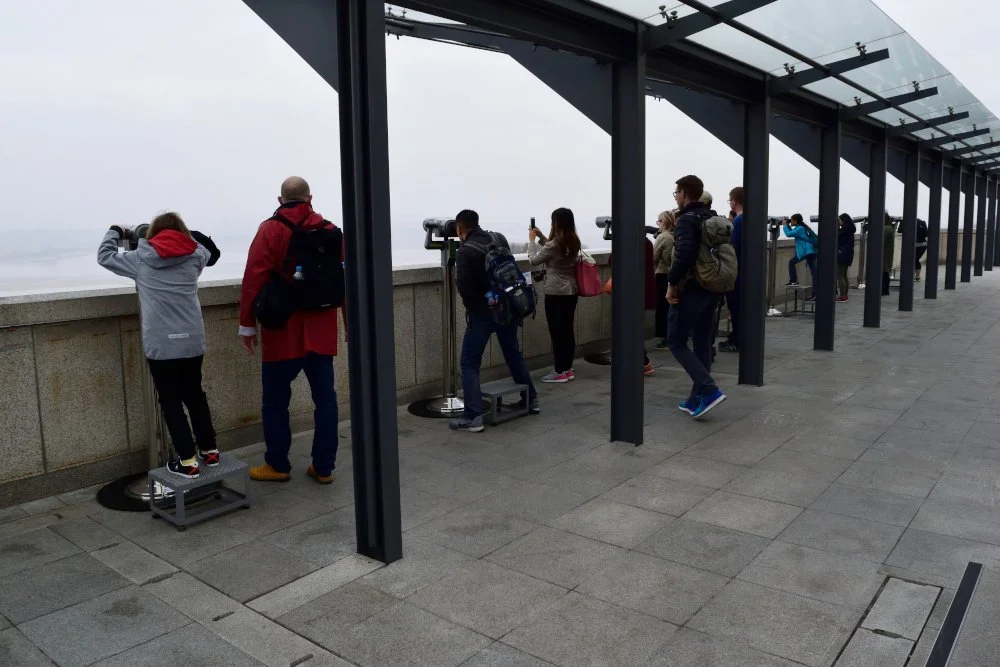
We arrived at Dora Observatory, and went to the top to check out the DMZ. It was a hazy day, but you could look through the various telescopes at the top and look across to North Korea. There was a town on the other side of the empty area that bridged the gap between the two nations called Kijŏng-dong (or Peace Village in North Korea). Apparently this is an empty propaganda town meant to show that North Korea is very modern or something. Kind of weird.
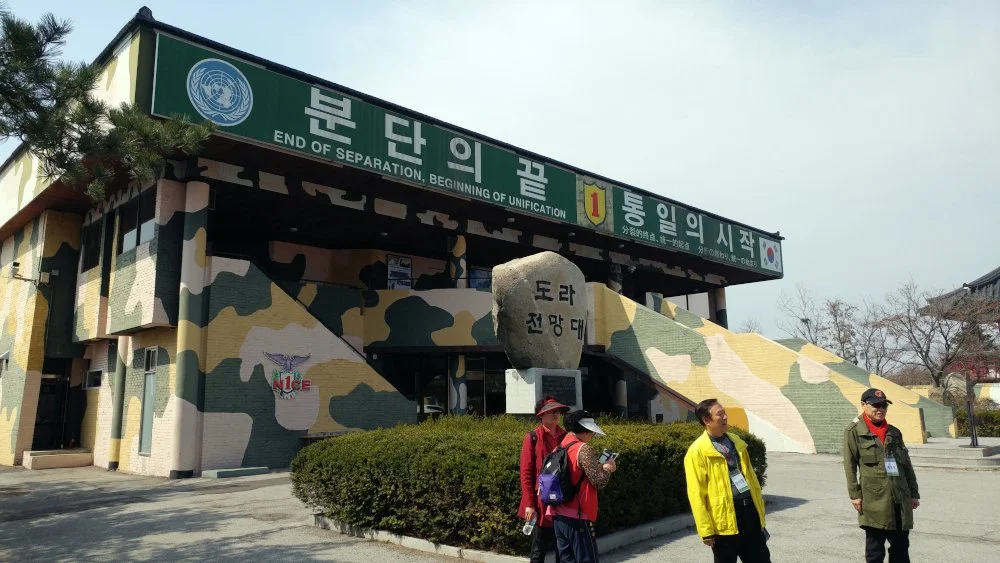
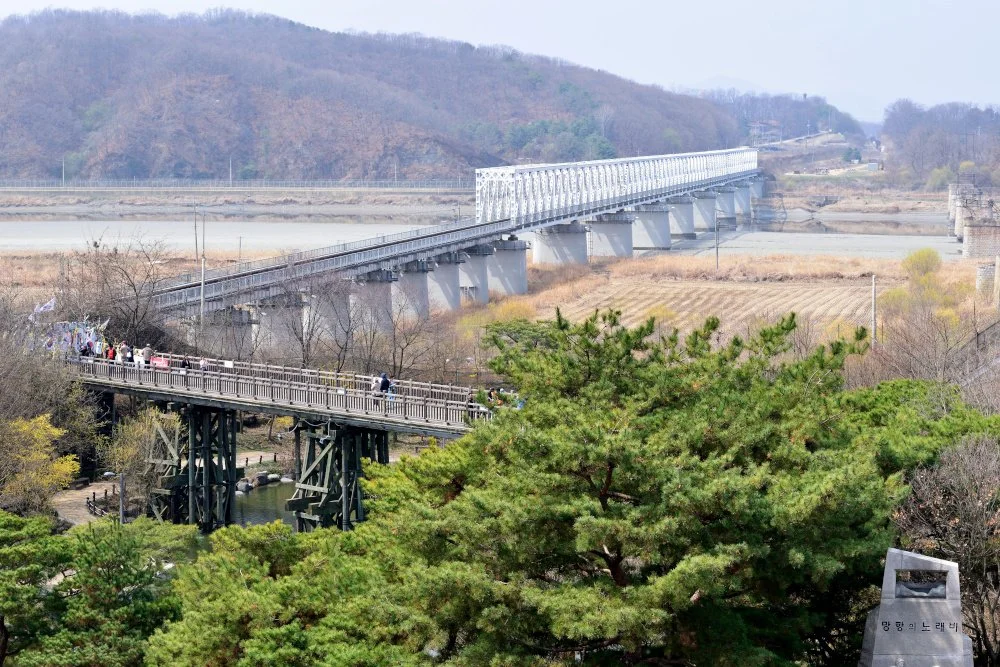
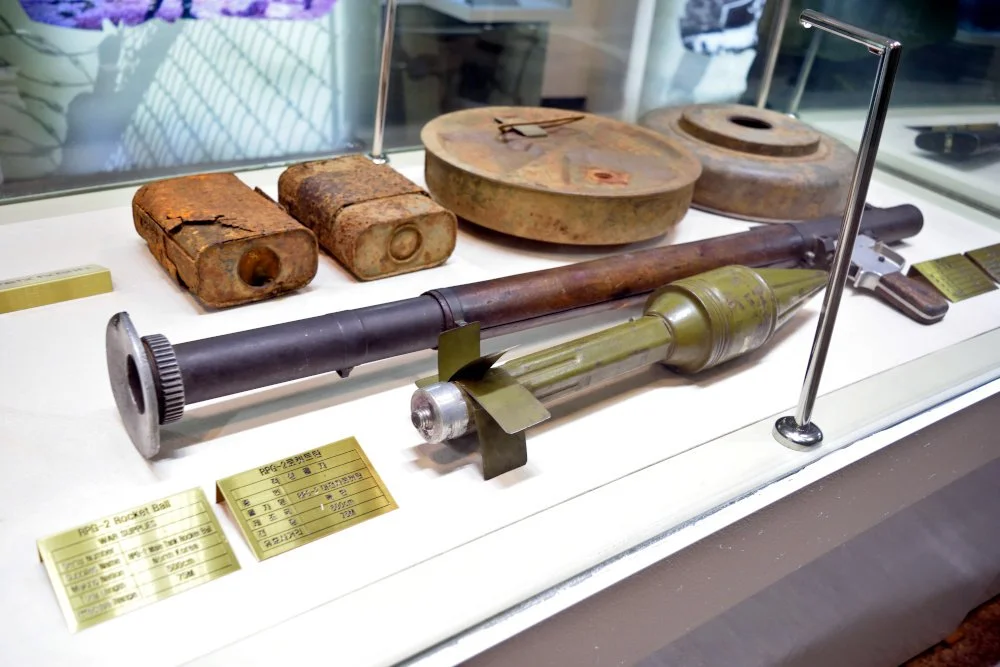
We were led underground into a tunnel that the south had discovered and closed off between North and South Korea. Called the Third Tunnel of Aggression, it is thought to be part of a network of tunnels that the North expected to use as part of an invasion of the South at some point. There’s also a museum area with various weapons and artifacts.
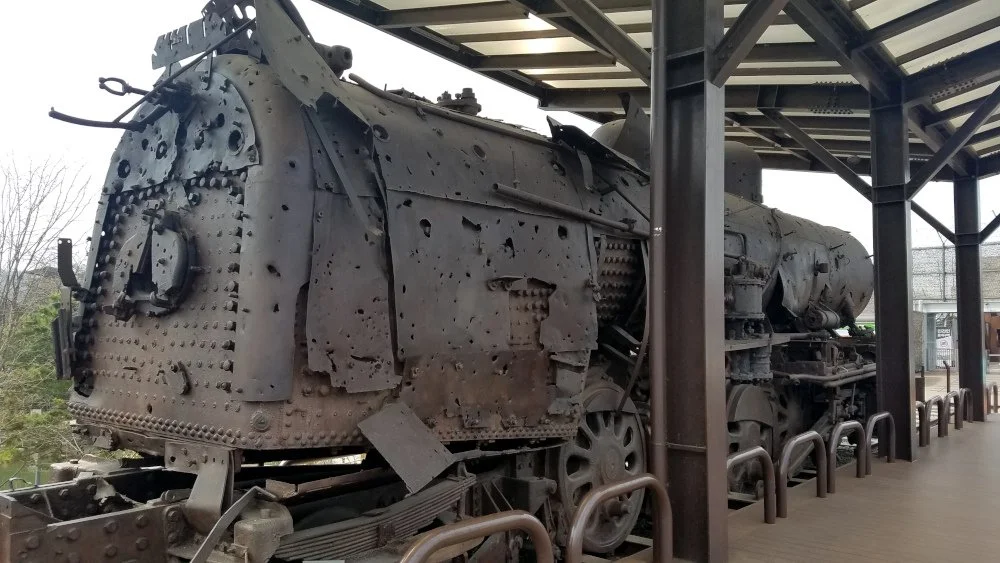
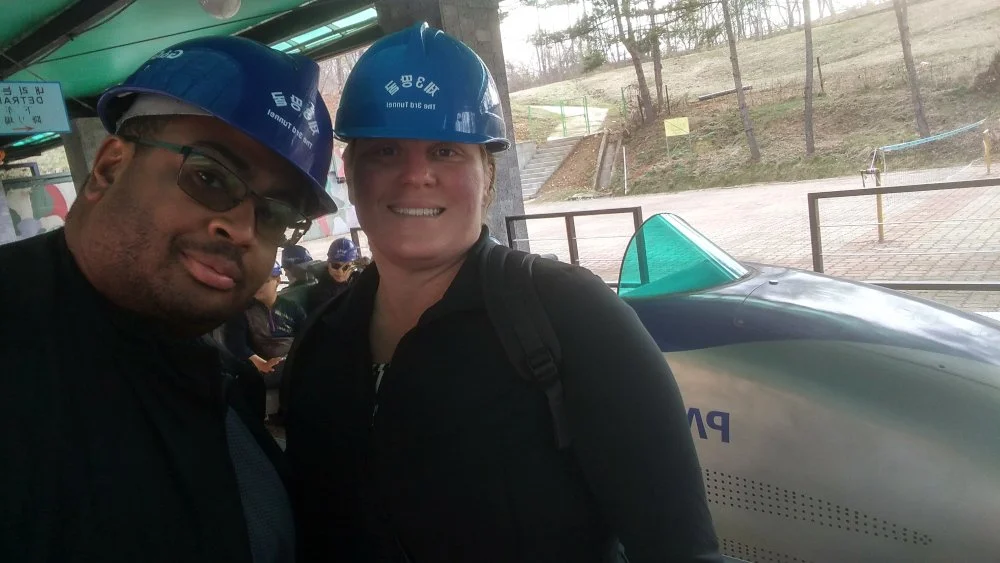
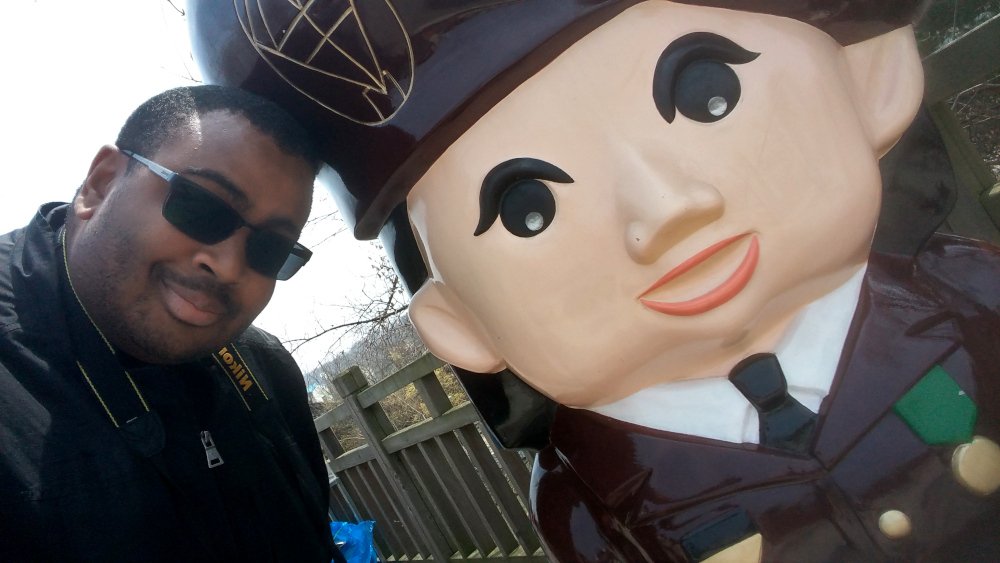
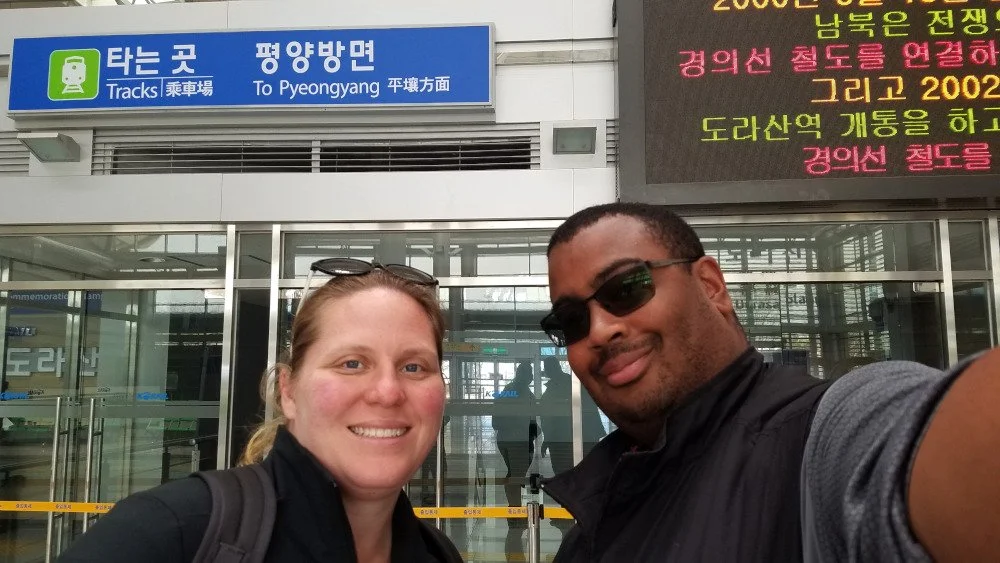
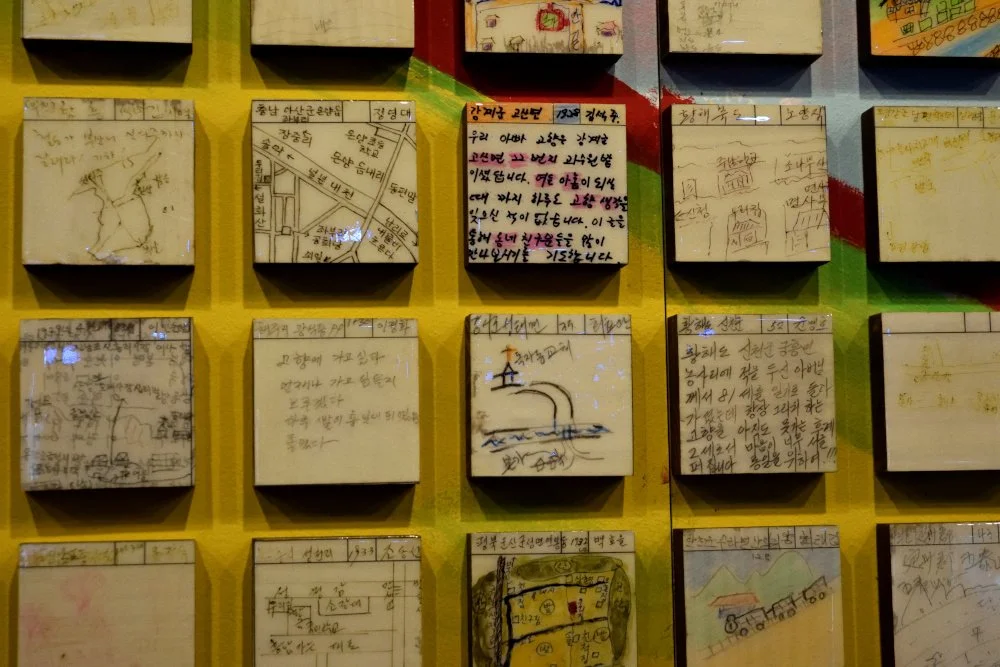
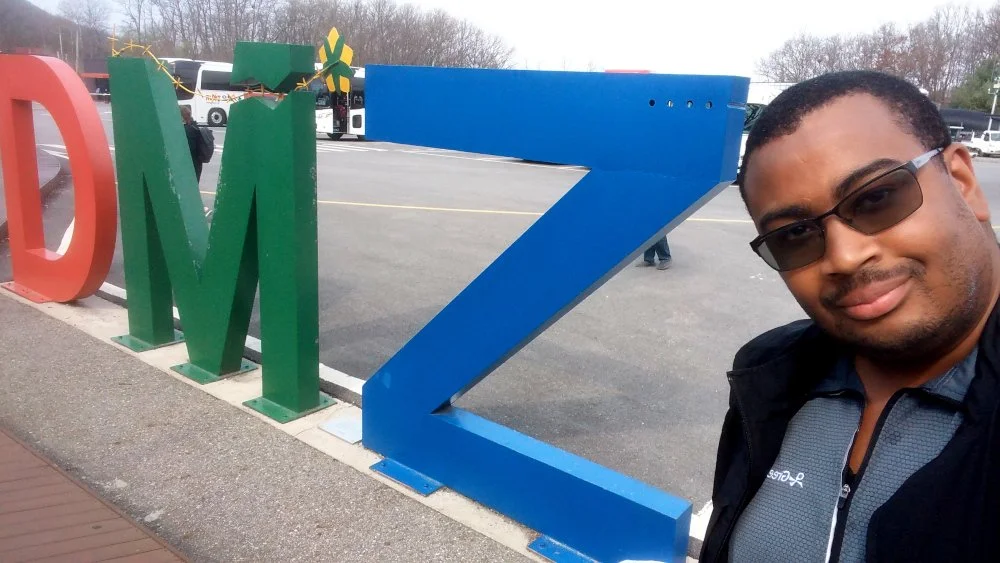
The DMZ area also contains a memorial tile wall, some odd mascots, a large “DMZ” logo to stand in front of for pictures, an older train with bullet holes from the war, and Dorasan train station (complete with a sign indicating where the train to Pyongyang used to be), and a sculpture called “This One Earth” or the “Unification Sculpture” that features people trying to push two halves of the Earth back together.
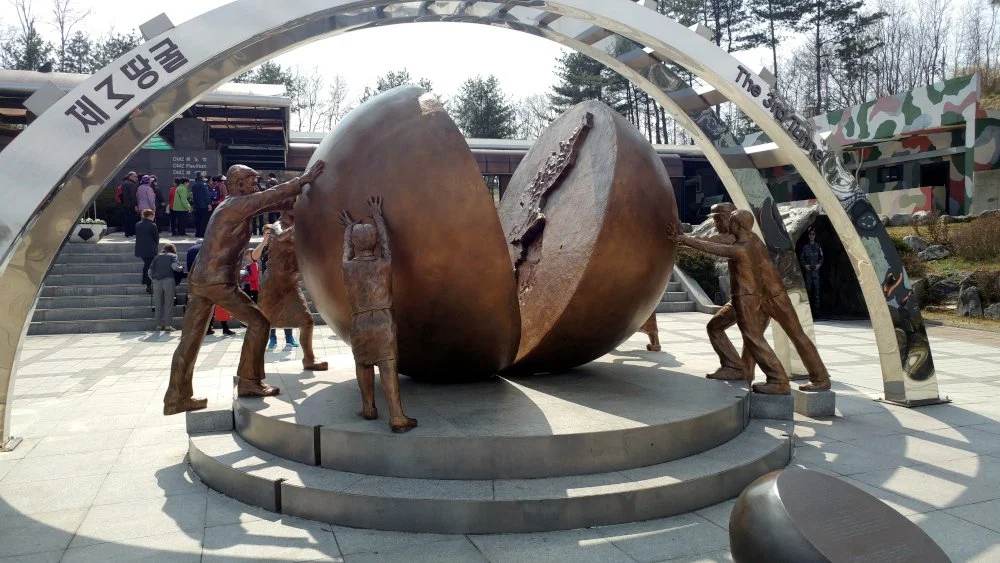
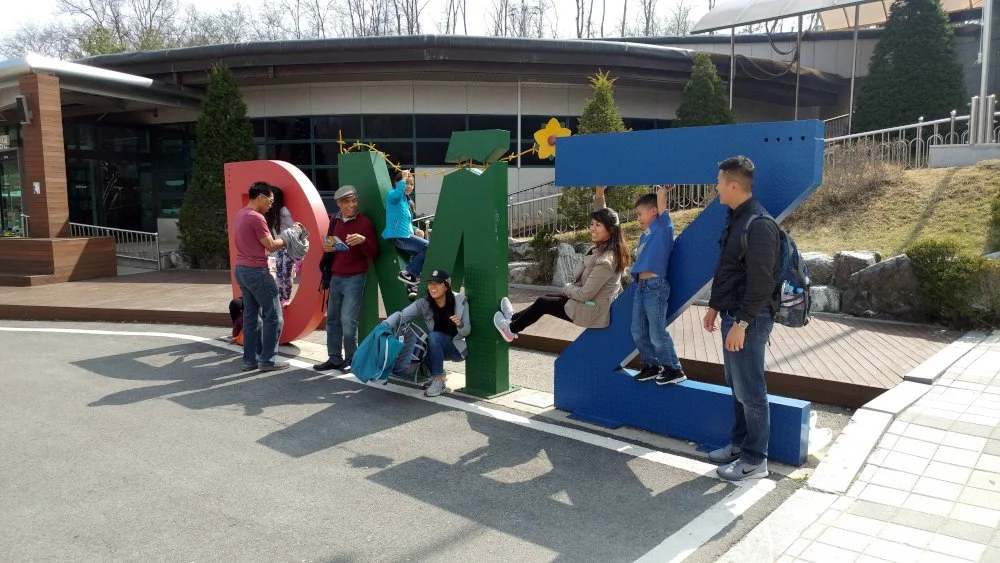
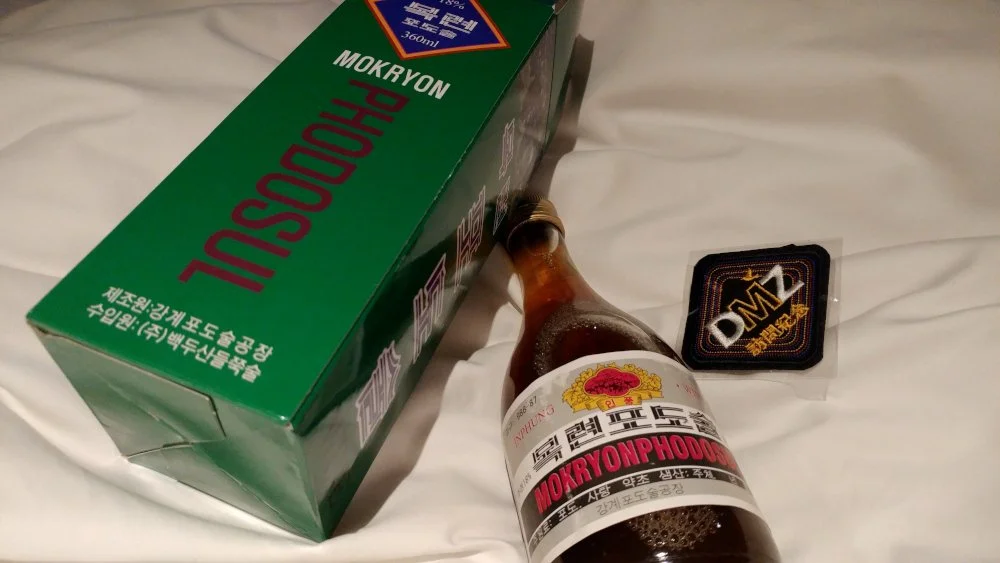
It all makes for a pretty odd, warped, theme parkish experience considering that the war is still technically ongoing. The propaganda was strong with this tour, but if you take it all with a grain of salt, it makes for a pretty interesting day. I got some pretty awful “North Korean” wine out of it though!
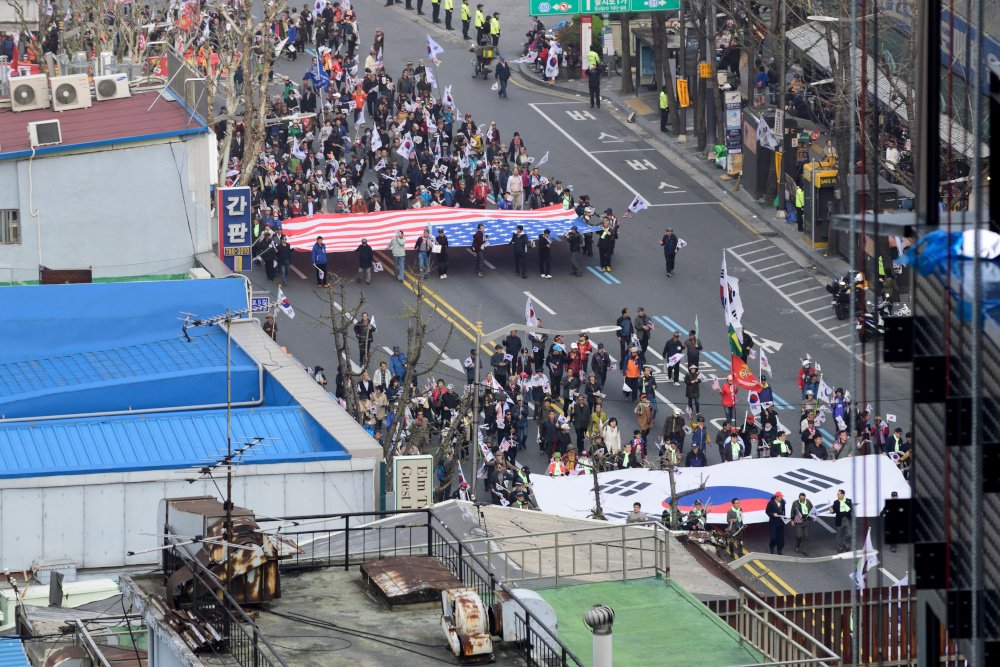
Day 3 was a business day for us. Make sure we had everything we needed for China, make sure we had things for after China set up in Hong Kong. Buy stuff that we needed to replace, do laundry. That kind of day. One of the interesting things we caught a glimpse of was a large pro USA political parade going down the street right outside our window. I don’t know how often that happens over there, but it was both inspiring and hilarious to see it go down within the 4 days of my life that we were there.

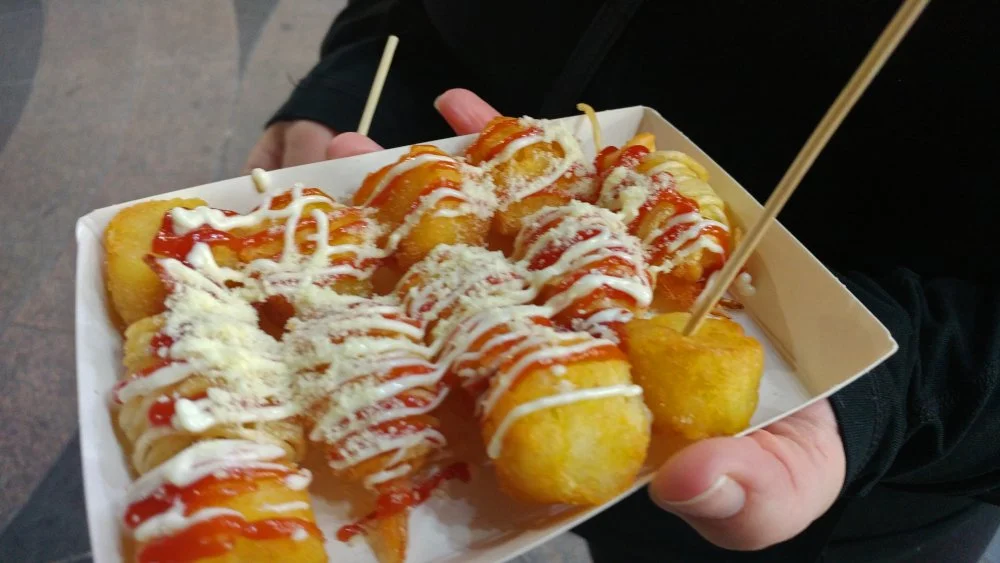
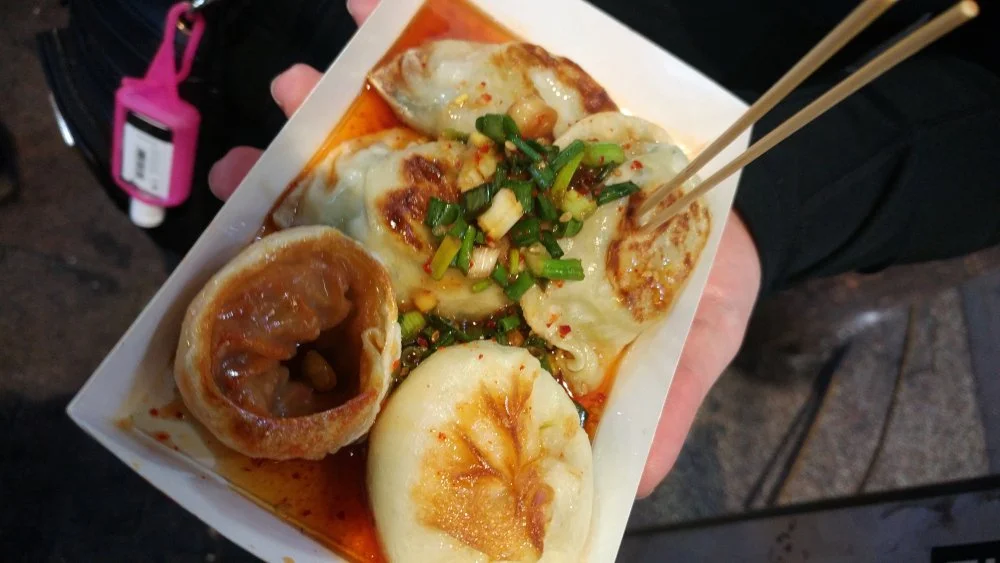
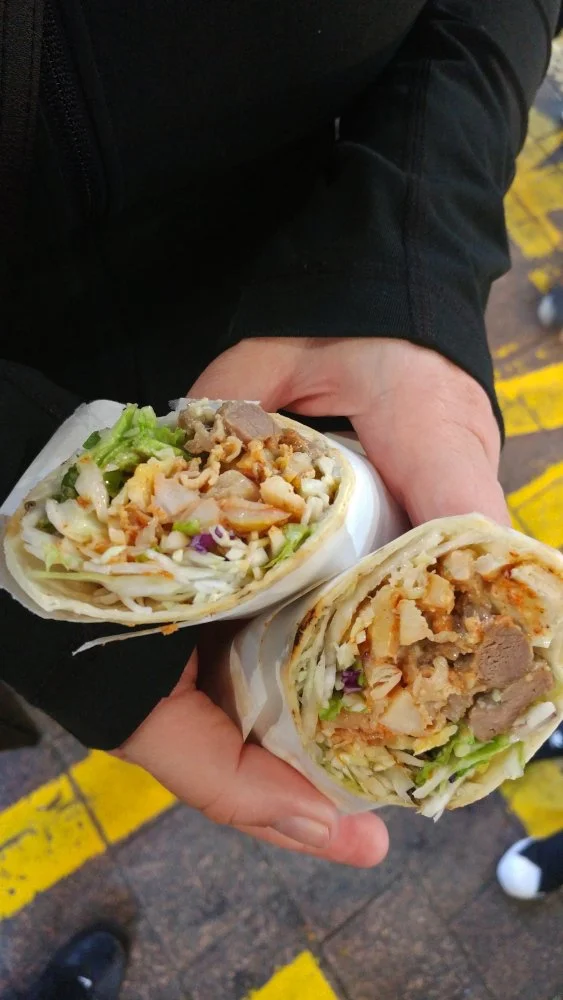
In the evening, we ventured back out in the Jung district and found the Myeongdong Night Market. There were so many stalls and locals and tourists alike ate and shopped up and down multiple streets. The sights and smells of the different foods were almost overwhelming because they made you want to try everything.
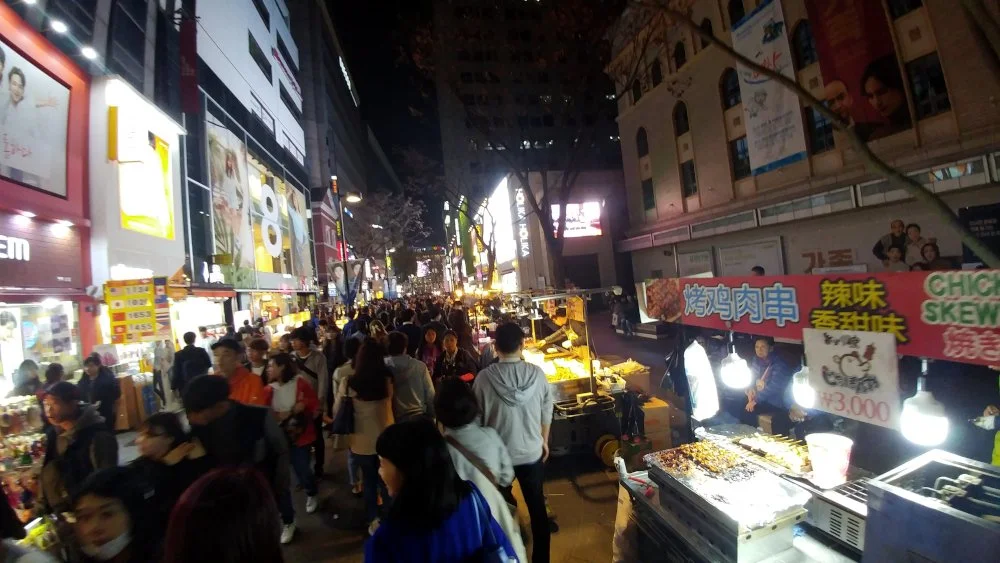
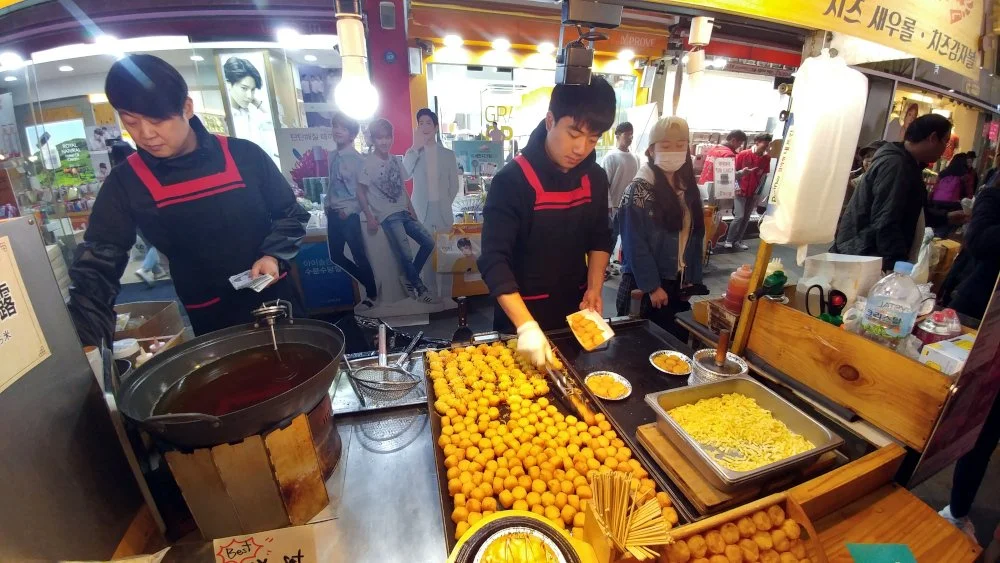
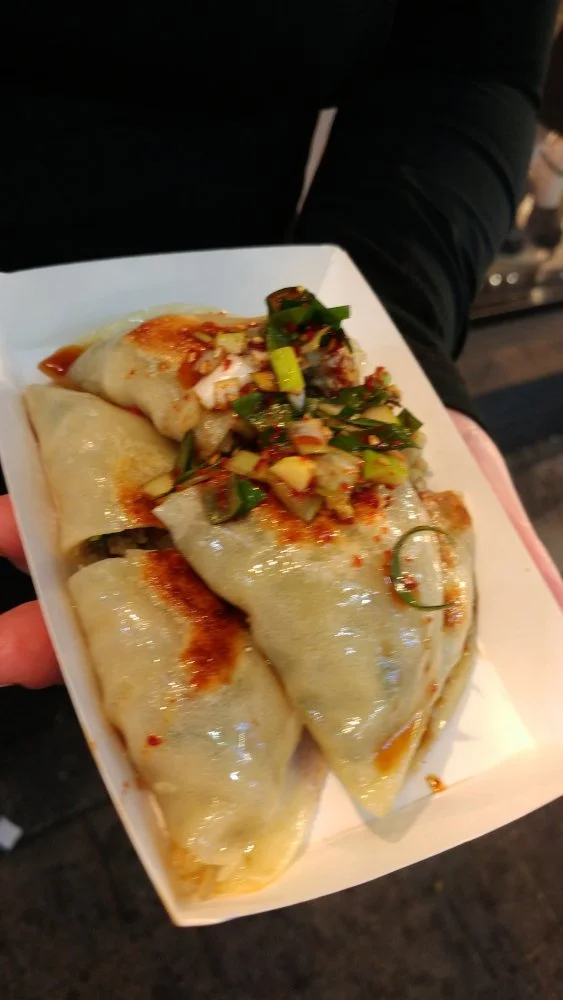
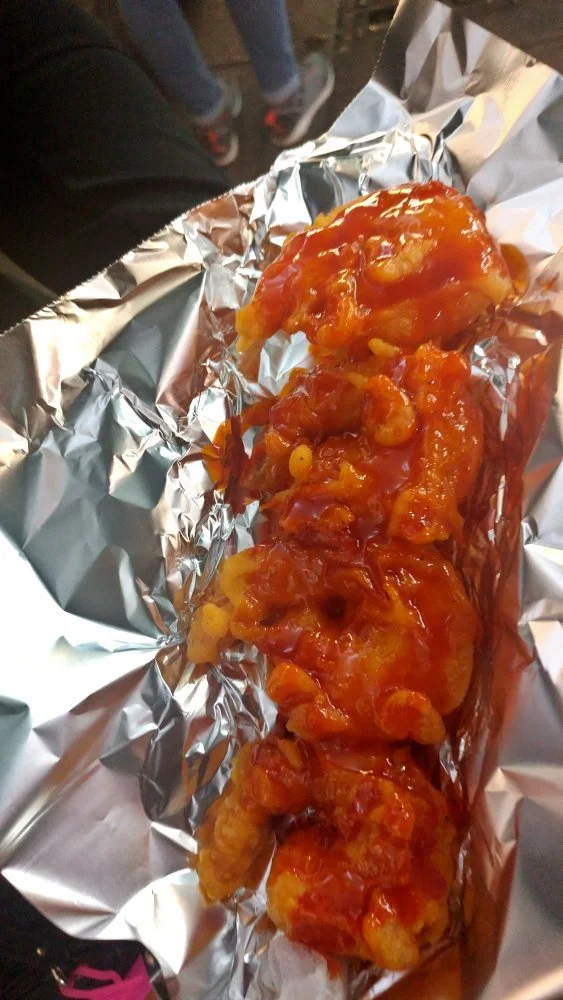
Fried spicy garlic shrimp, meatballs, chicken kebab wraps, dumplings, cornbread in tube form, fried dough balls, nutella wraps, and honey ice cream. We tried everything we could possibly fit in our stomachs.


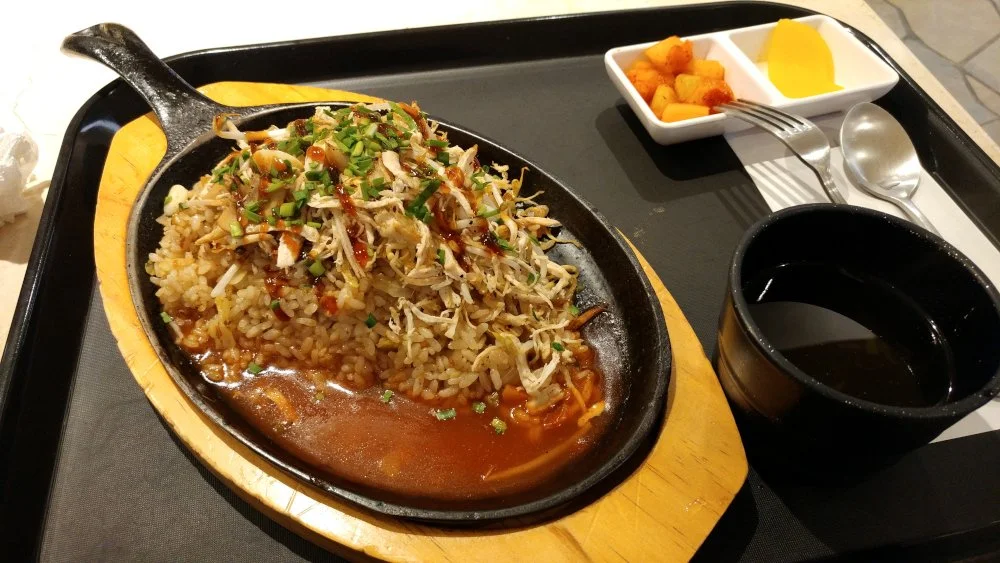
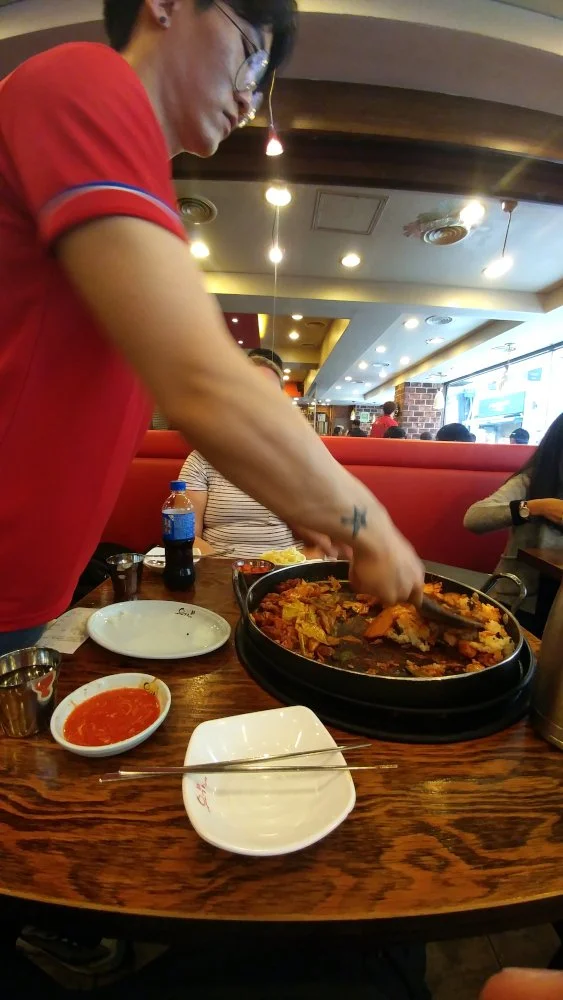
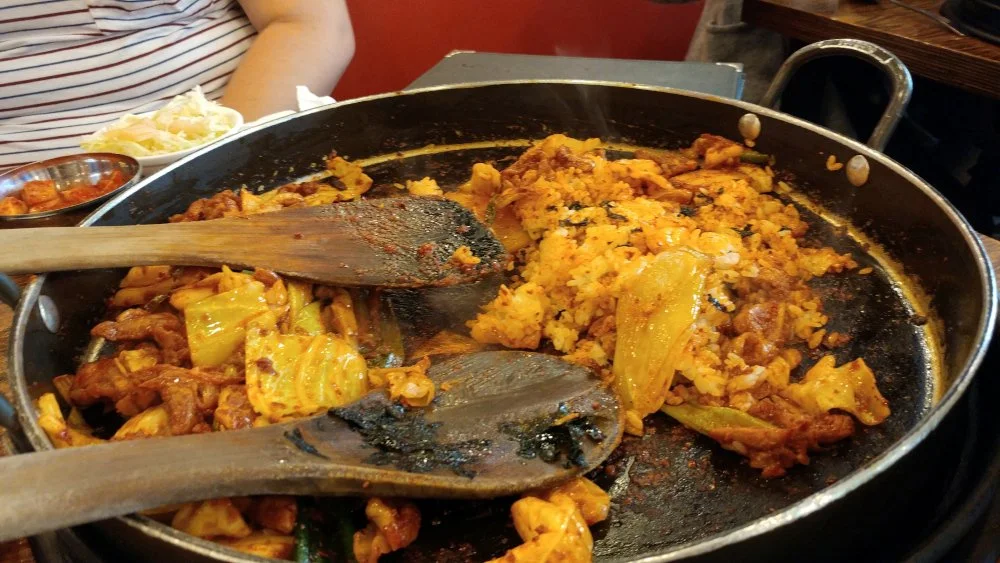
Our last day in Seoul was a cultural day. We woke up late, and stopped and grabbed some galbi (ribs), at a local spot. One of the biggest cultural differences we noticed between South Korea and Japan was in the restaurants we visited. Everywhere in Japan they were all about service with not just a smile, but with excitement. Everyone seemed generally excited about your business. In South Korea though, or at least the places we went to, they would insist on doing table side service, but it was all silence, scowls and half-assed service. Just let me come get my plate from the counter and leave me be if this is how you’re going to act! The dak-galbi (stir-fried chicken dish with sweet potatoes, cabbage and more) was really good though, so what can you do?
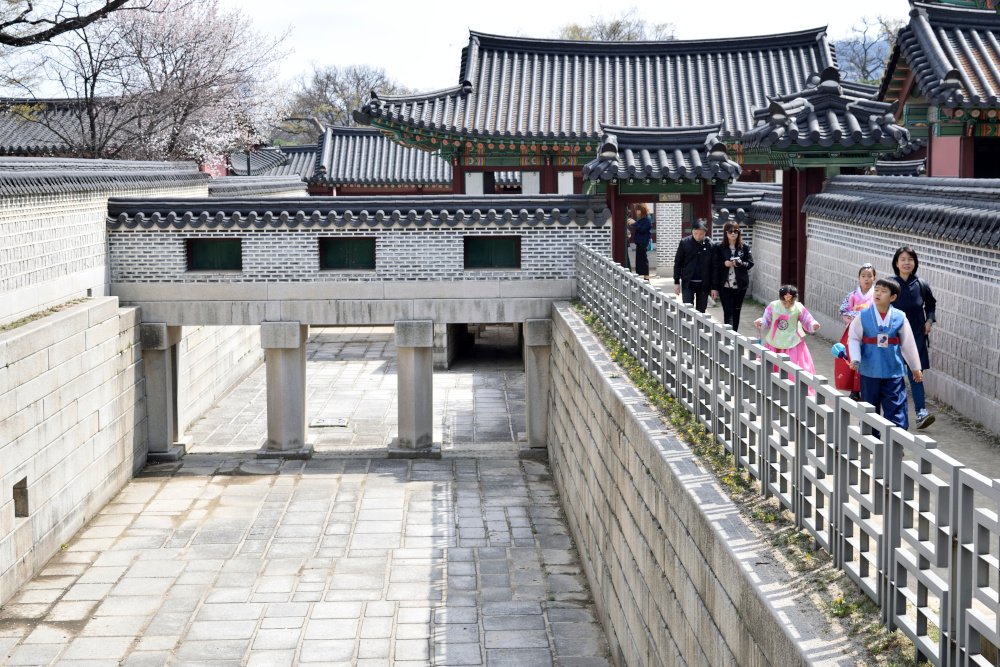
We headed out to check out some Unesco World Heritage Sites in the city’s royal core. We checked out the nearby Jongmyo Shrine. Beautiful grounds and it looked like a nice relaxing place that families were enjoying.
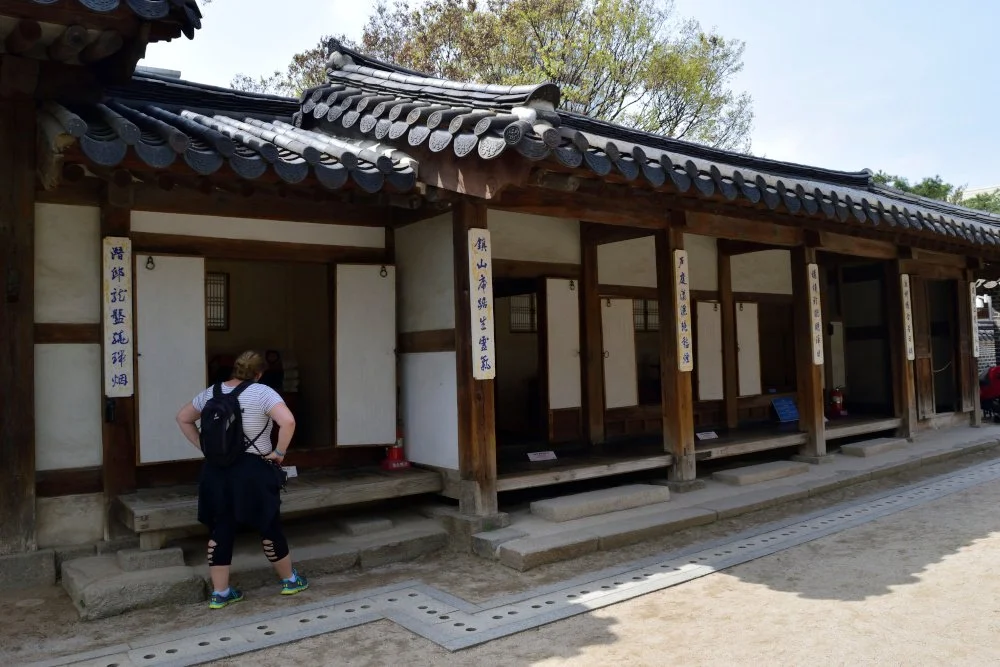
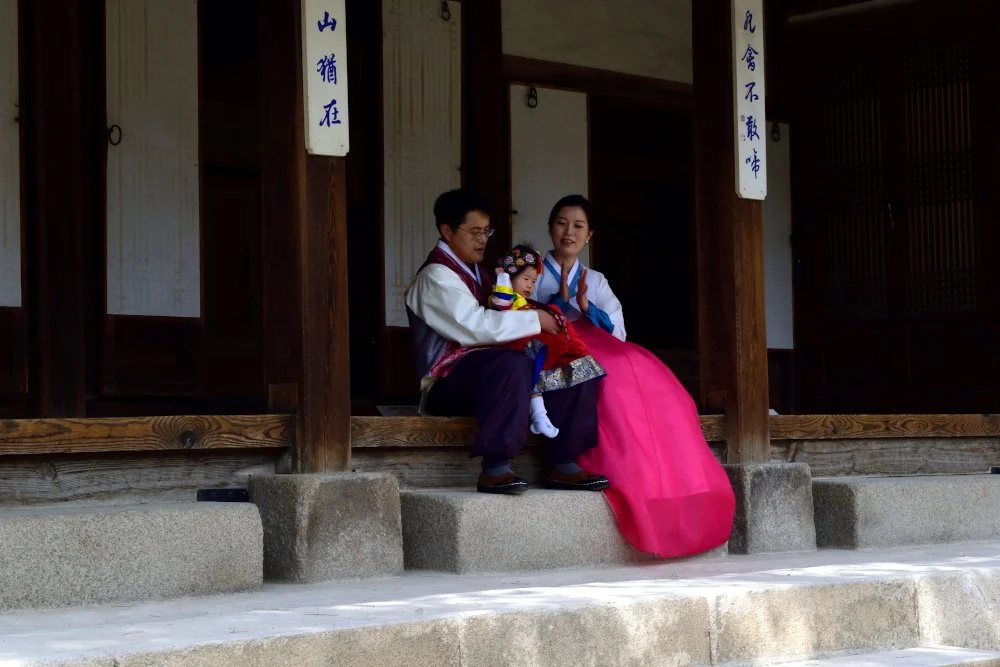
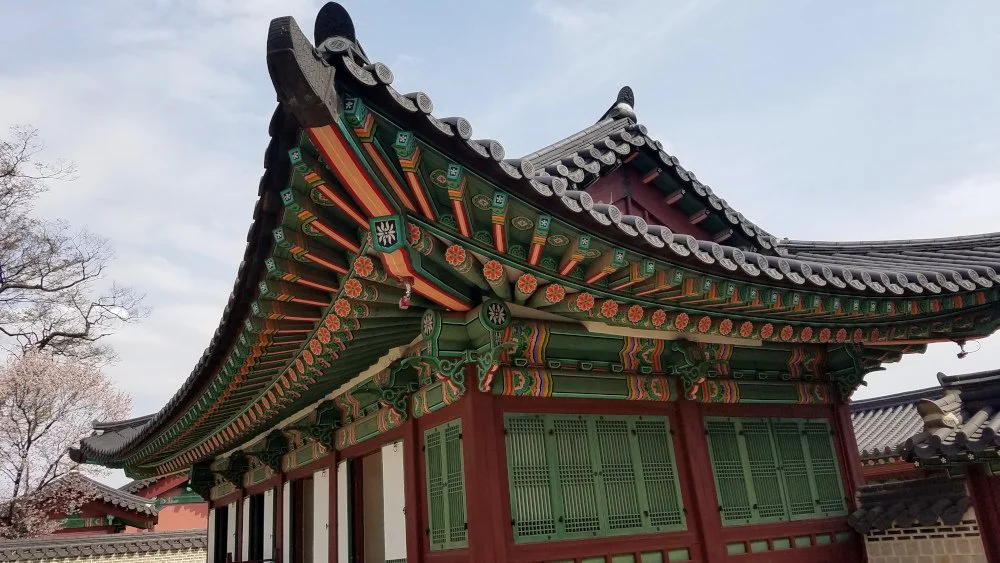
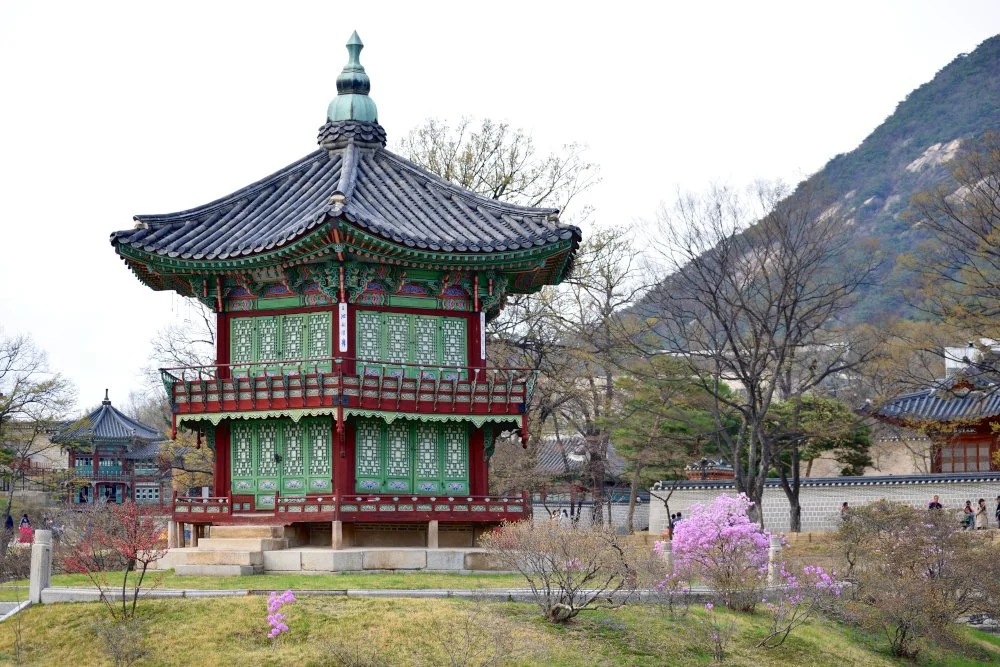
Our next stop was Changdeokgung Palace. This was a massive palatial area full of trees and nature, but also had a simplistic beauty. This one had more people enjoying the area. The architecture was a little more complex than Jongmyo Shrine, but not by much, but it was still beautiful in it’s own way. Somewhat similar to shrines we had seen in Japan, it seems like South Koreans used more color and embellishment in their design than the Japanese.
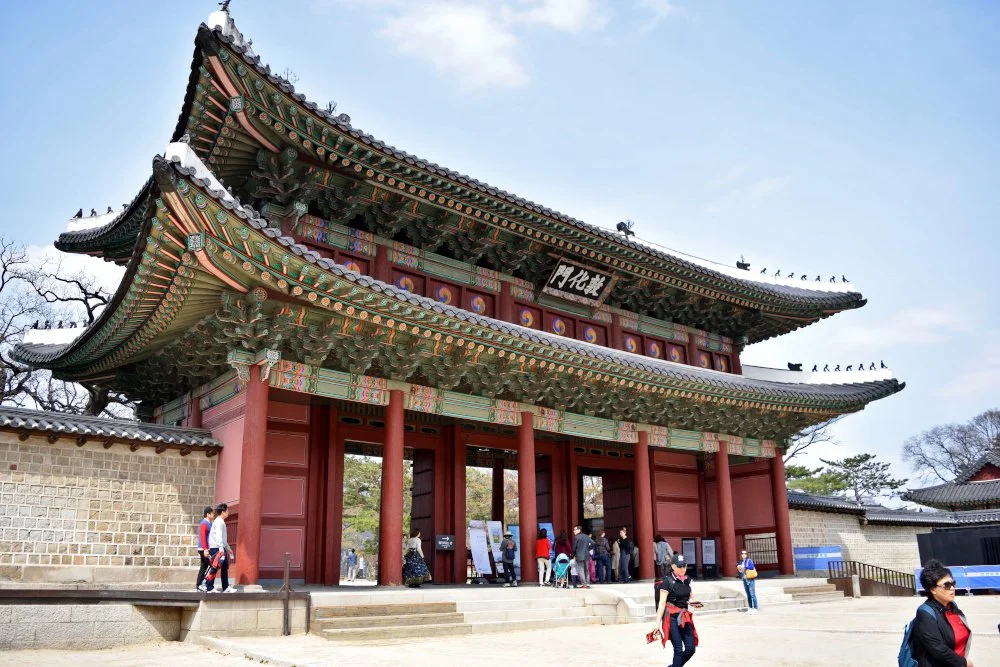
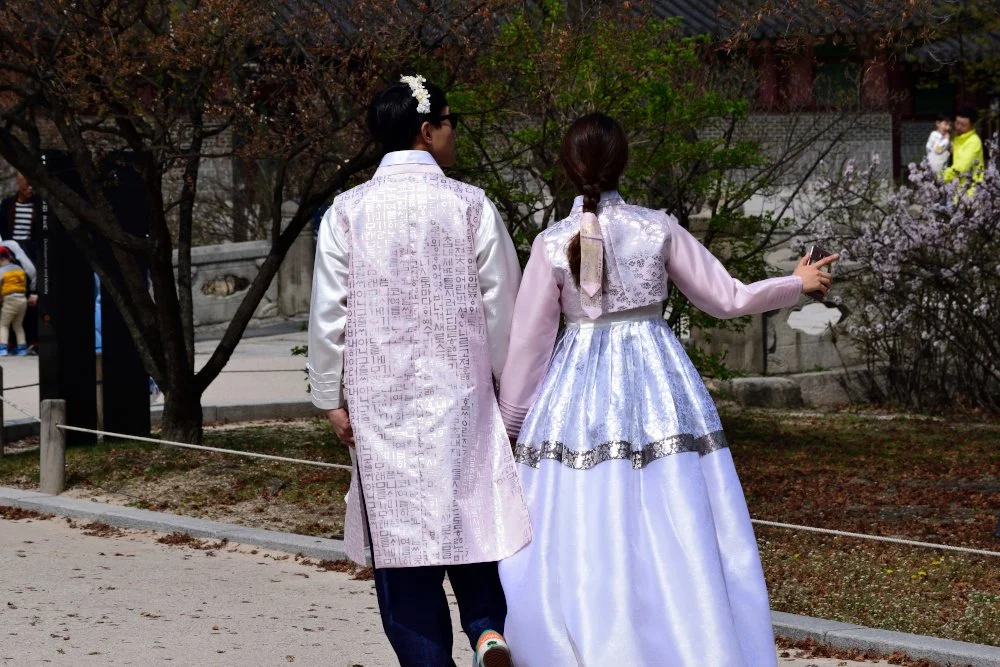
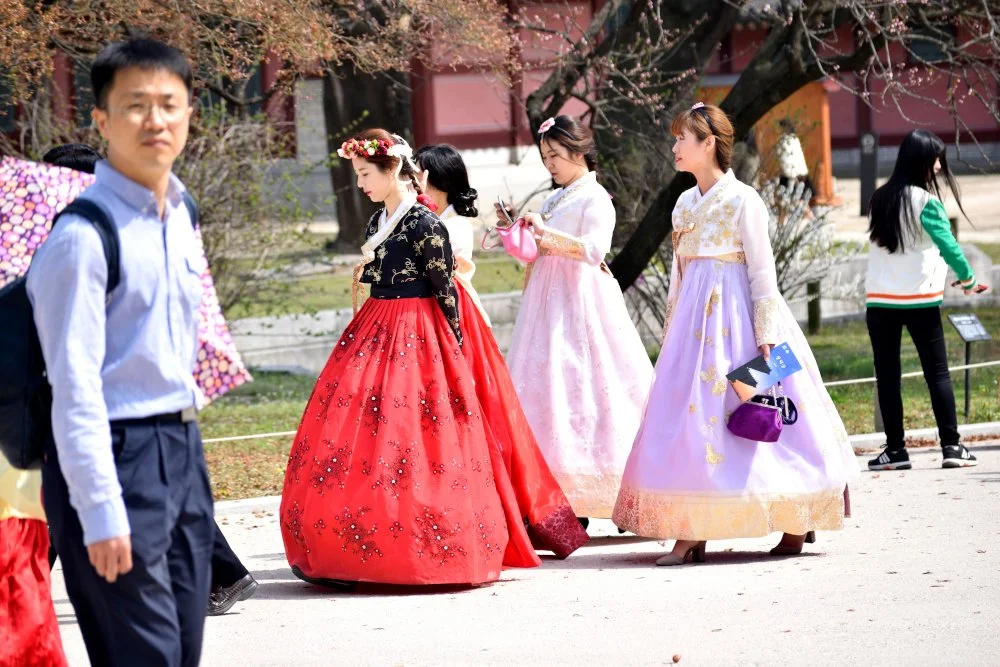
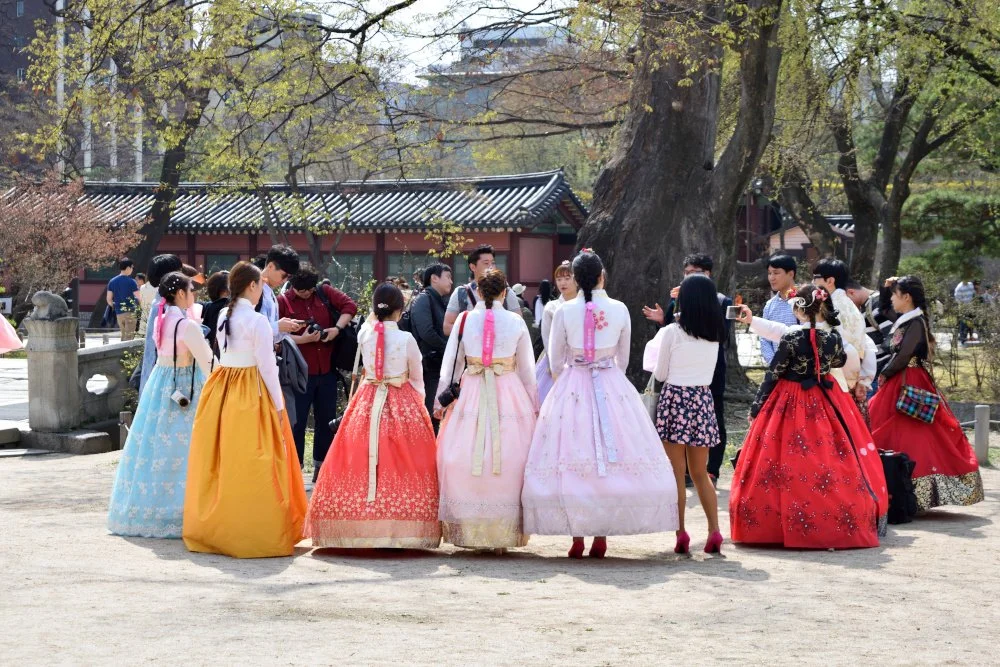
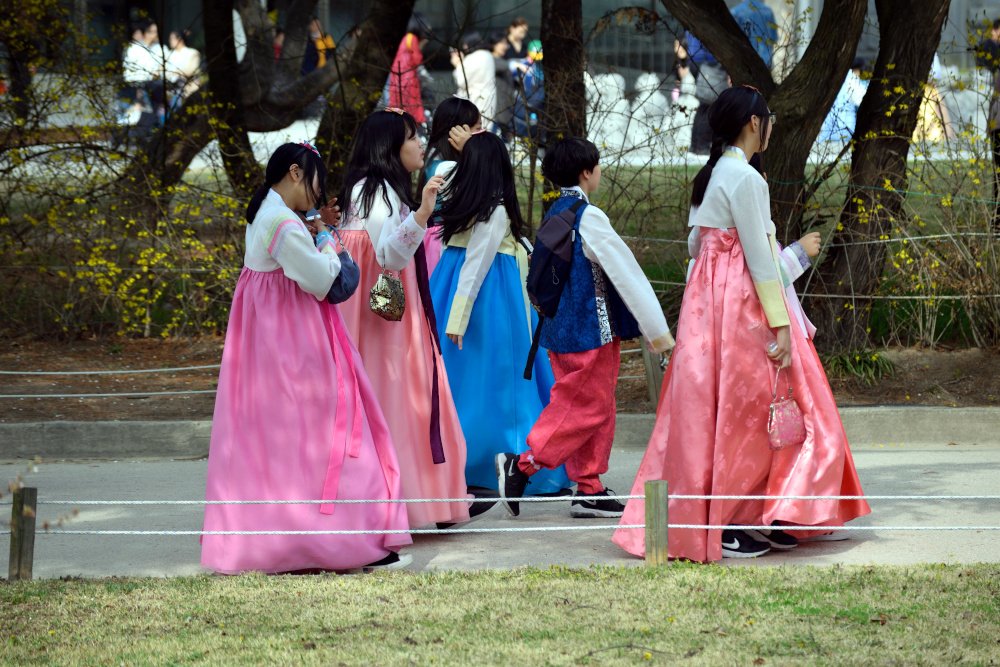
One of the things that’s fun about this, and the other palace sites is that if you wear hanbok, the traditional dress of Korea, you get in free. Lots of locals sported beautiful colorful hanbok as they explored the complex. Even the young people participated, and it was great to see them embrace their culture.
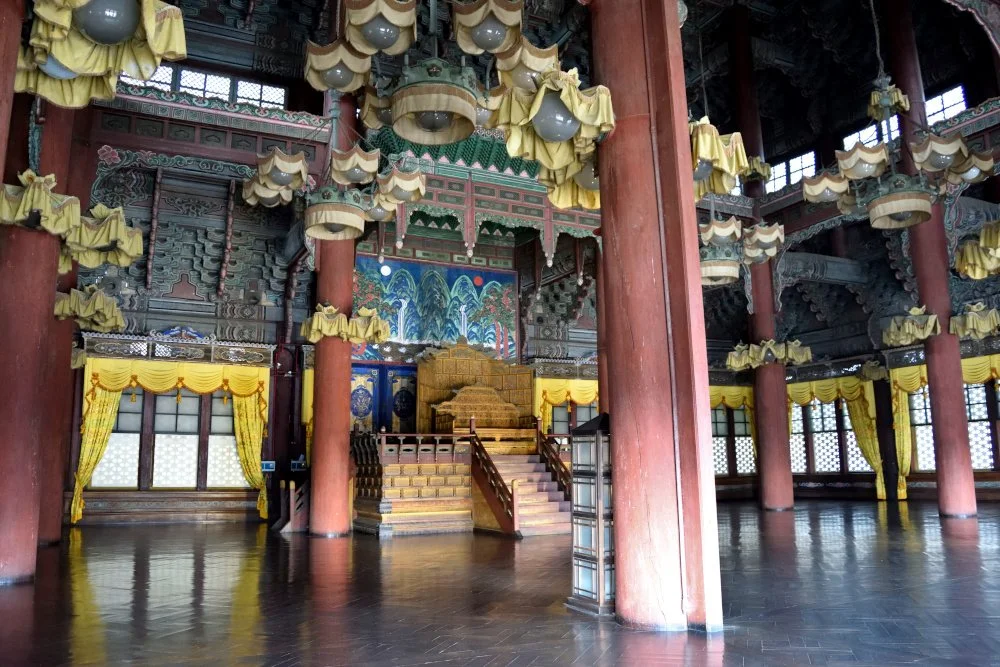
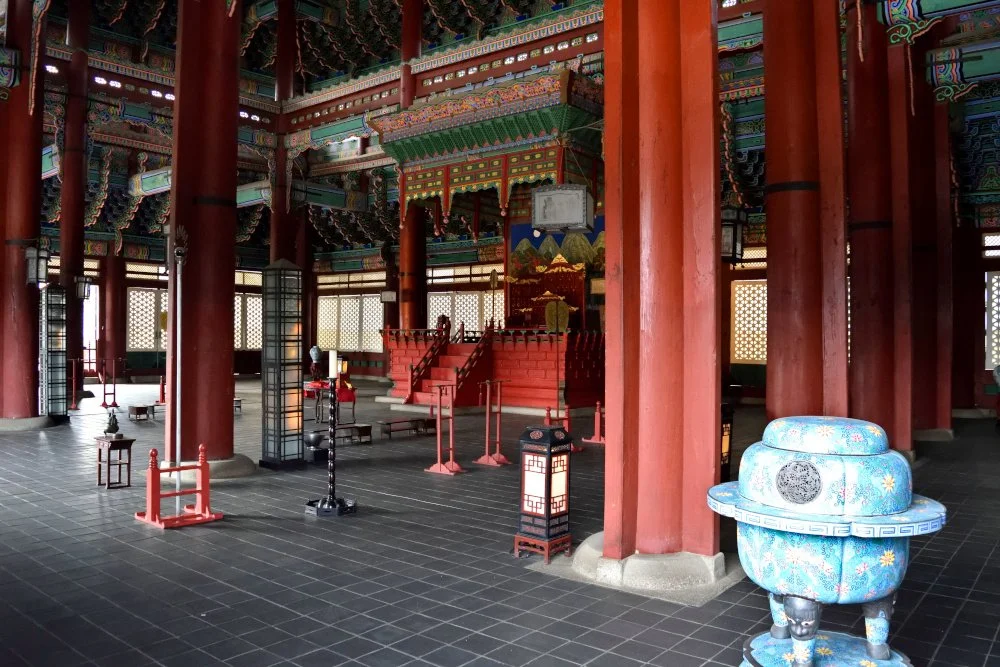
Injeongjeon Hall, the throne room at Changdeokgung Palace, was especially cool. It held period pieces like a uniquely Korean royal screen, known as Irwoloakdo, which depicts the sun (king), moon (queen), mountains, waterfalls, and pine trees, symbolizing the Joseon dynasty, and more. The room has been rebuilt multiple times after invasions and fires, and the furnishings have been updated many times over the years as well.
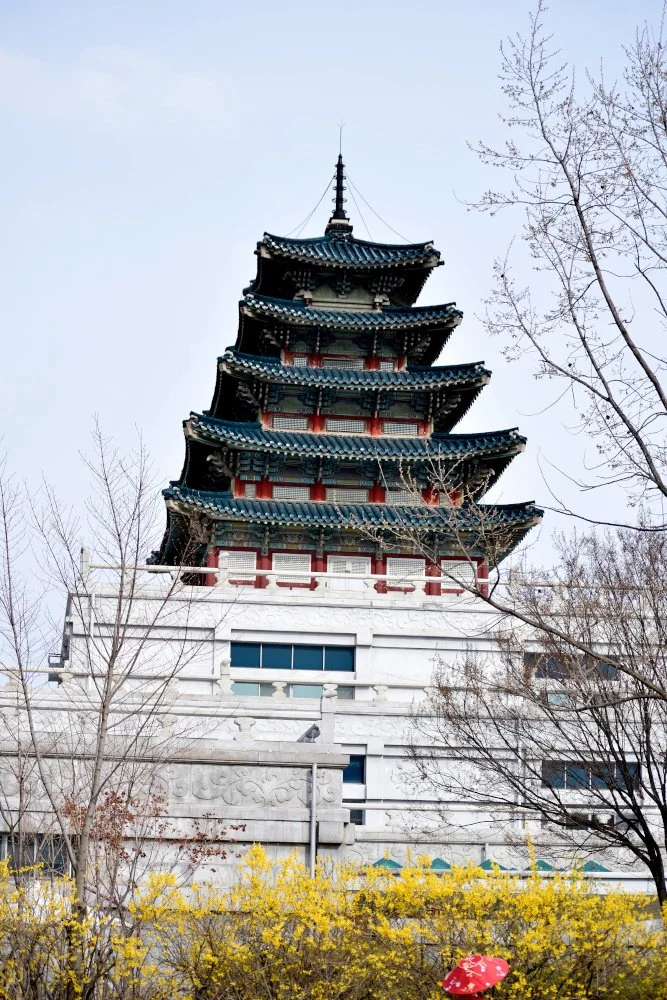
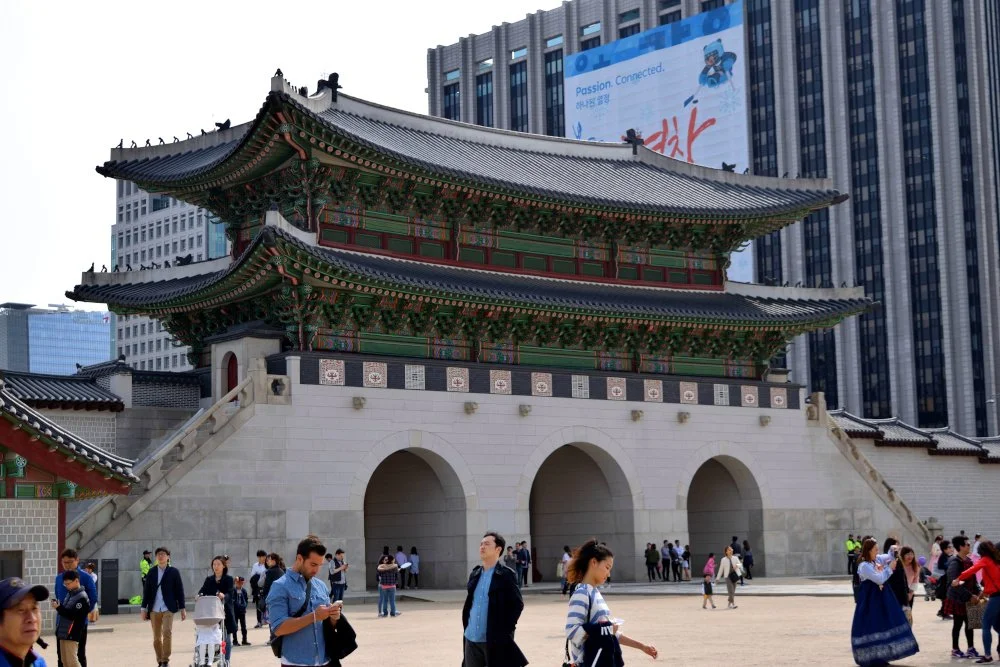
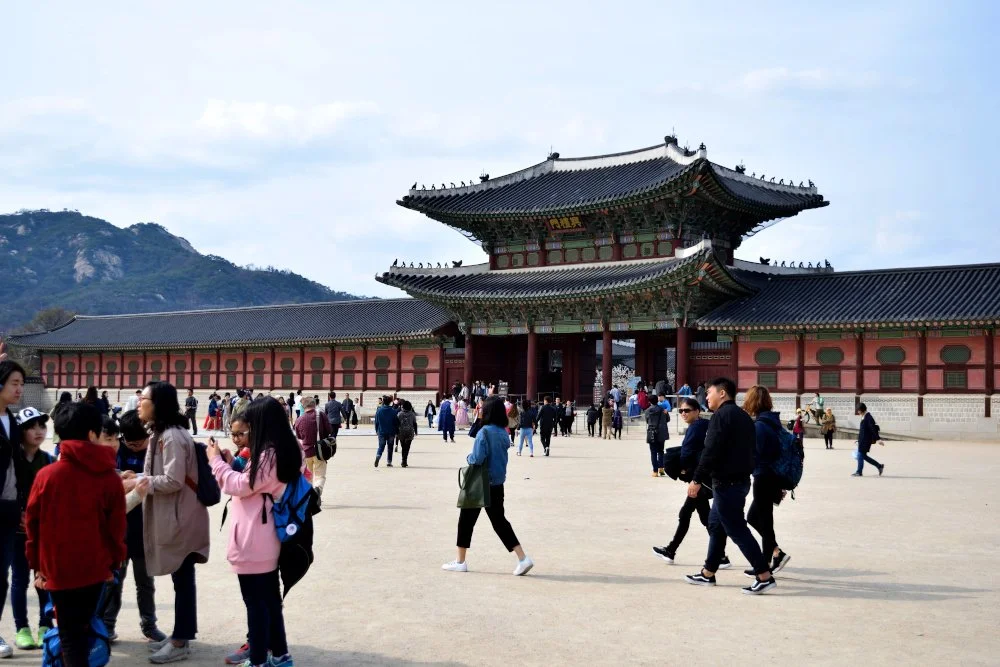
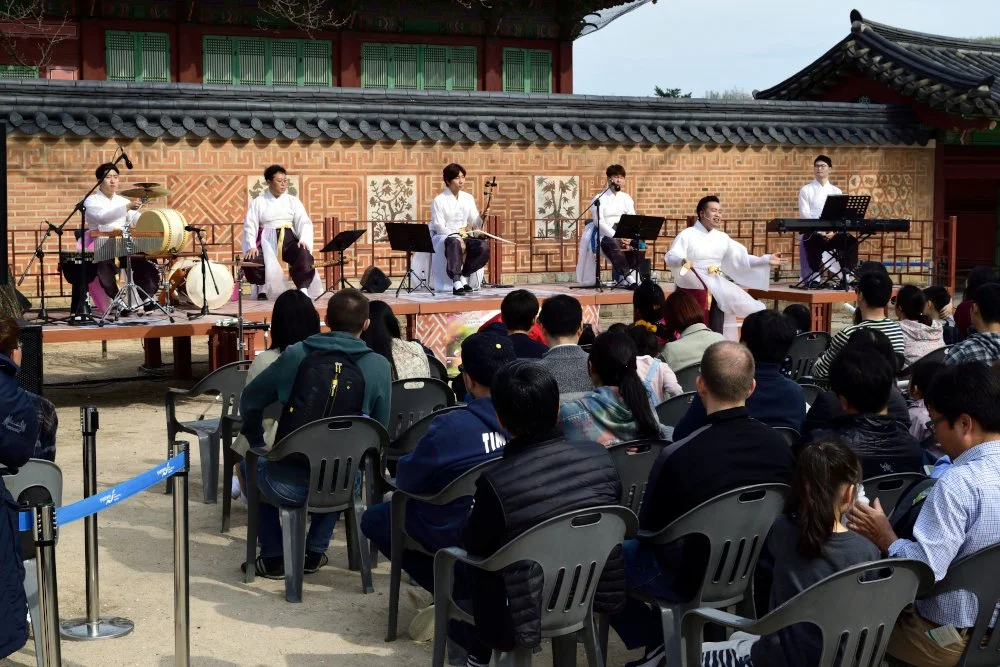
Another short walk brought us to the reconstructed Gwanghwamun Gate and Heungnyemun Gate of Gyeongbokgung Palace. The gates were huge, and put out a more majestic vibe than the entrance we took into the previous palace. The grounds were nice and serene, and we were able to hang out, explore gardens and people watching. There was also a small group of local musicians performing in the courtyard. It was the perfect final stop on what turned out to be a surprising adventure.

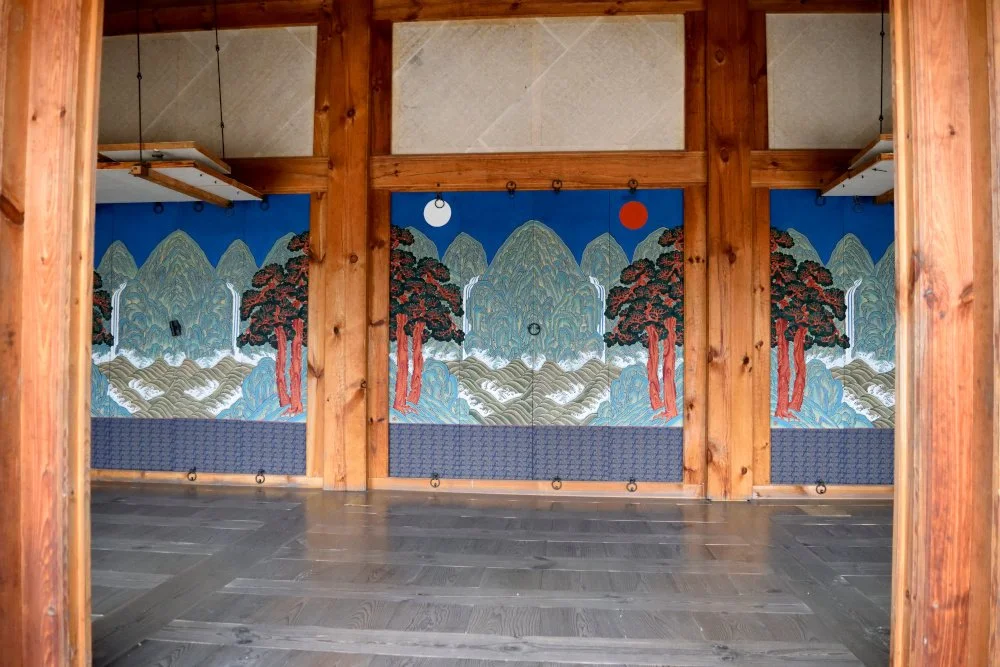
Seoul was one of those cities that wasn’t really on our radar when we started our World Tour. It just happened to fit perfectly both geographically and chronologically between Japan and China. Visiting South Korea ended up being one of those happy travel accidents where you end up having way more fun than you ever expected from a place you never expected to be. I would love to go back and explore more of the country, like Busan or some of the more rural and scenic areas, and especially try more of the food. Any country whose food culture is built around street food, grilled meats and boozing is okay in my book!
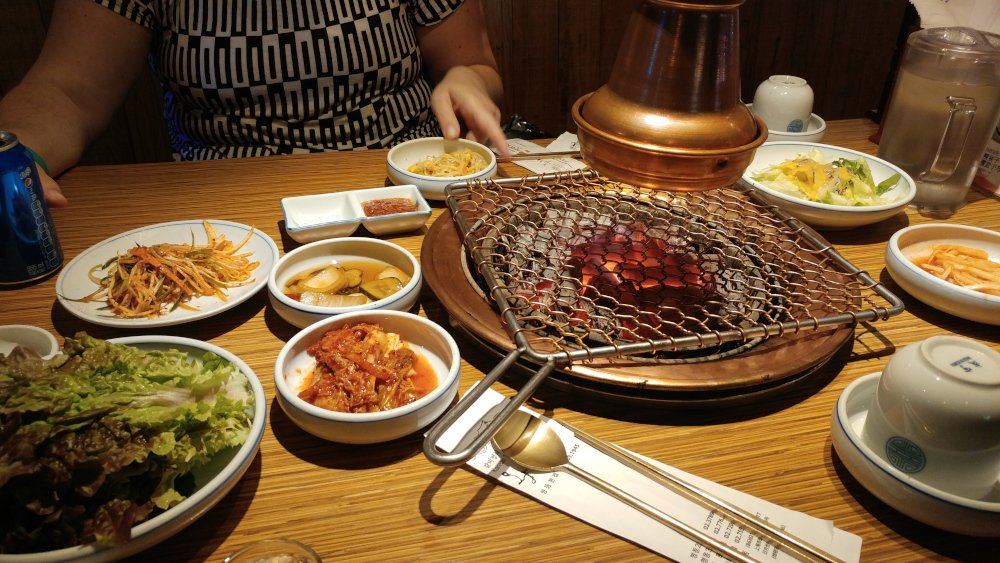
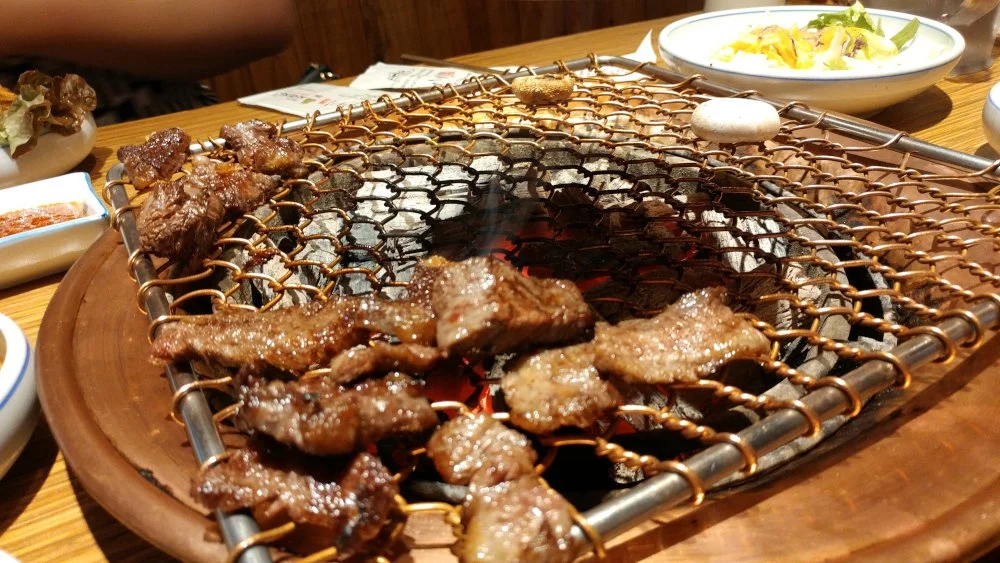
For now though, it was time for our next adventure. We woke up the next morning to take Korean Air to one of our biggest adventures yet, a Gate 1 Tour through China.